If you’ve ever had your furnace inspected and heard the words “cracked heat exchanger,” you probably felt a little uneasy—and honestly, you’re not wrong to. At Rocket Air Heating & Cooling, we’ve seen what happens when this part fails, and trust me, it’s something no homeowner wants to ignore. A cracked heat exchanger isn’t just a mechanical issue—it’s a safety concern that can affect your air quality, comfort, and even your family’s health.
What a Cracked Heat Exchanger Actually Is
In simple terms, the heat exchanger is the heart of your furnace. It’s the metal chamber that holds combustion gases and transfers their heat to the air circulating through your ducts. When this chamber develops a crack—often from years of expansion and contraction—it can allow dangerous gases like carbon monoxide to leak into your home’s air supply.
Here’s the scary part: these cracks aren’t always visible. You could have a small one forming right now, and you’d never know until your carbon monoxide detector goes off—or worse. (I’ve seen exchangers that looked fine from the outside but were nearly split in half inside.)
For a good overview of how this component works and why it’s so critical, the U.S. Department of Energy provides an excellent explanation of how furnaces transfer heat.
Warning Signs of a Cracked Heat Exchanger
Spotting a cracked heat exchanger early can save you from major trouble down the line. Look out for these common symptoms:
-
Soot buildup around the furnace burner or vent area
-
Strange smells, especially metallic or chemical odors
-
Water pooling near the base of your furnace (from condensation)
-
Unusual noises, like rattling or popping, when the furnace turns on or off
-
Short cycling, where the furnace turns on and off rapidly
-
Physical symptoms such as headaches, nausea, or fatigue indoors—potential signs of carbon monoxide exposure
If you notice any of these warning signs, turn off your system and call a professional right away. A certified HVAC technician can use combustion analyzers and cameras to confirm the issue safely. And if your furnace has suddenly started blowing cold air, that could be another indicator something’s wrong inside the heat exchanger or combustion system.
Why a Cracked Heat Exchanger Is So Dangerous
A cracked heat exchanger compromises your system’s ability to separate combustion gases from breathable air. Even a hairline fracture can release carbon monoxide, a colorless, odorless gas that can cause illness—or worse—without you realizing it.
In some cases, homeowners mention feeling off or light-headed indoors—and later, we find a cracked heat exchanger leaking combustion gases into the air. Carbon monoxide exposure can mimic the flu—until it doesn’t. If your carbon monoxide detector is beeping, don’t assume it’s a low battery—it could be a real warning that combustion gases are leaking from a cracked heat exchanger or venting issue.
For official guidance on furnace safety and carbon monoxide prevention, visit the CDC’s Carbon Monoxide page or read their Furnace Safety Fact Sheet.
Repair or Replace: What’s the Right Move?
Once a cracked heat exchanger is confirmed, you’ve got two main options—repair or replacement. But here’s the deal: most heat exchangers can’t be patched safely. The metal has already weakened, and the structural integrity is compromised. In almost every case, replacement is the safer and more cost-effective route.
When the furnace is older or showing other signs of wear, a full furnace replacement is usually the smarter long-term decision. It might cost more upfront, but you’ll gain peace of mind, efficiency, and reliability.
How to Prevent a Cracked Heat Exchanger
No one can guarantee a furnace will last forever, but you can extend its life and reduce risks with regular HVAC maintenance. Here’s what helps:
-
Schedule annual furnace tune-ups—professionals like us inspect for corrosion, heat stress, and venting issues.
-
Keep air filters clean so your system doesn’t overheat.
-
Make sure vents and returns are unobstructed.
-
Install a carbon monoxide detector on each floor of your home.
These small steps help your system breathe easier—and so can you.
How Rocket Air Heating & Cooling Can Help
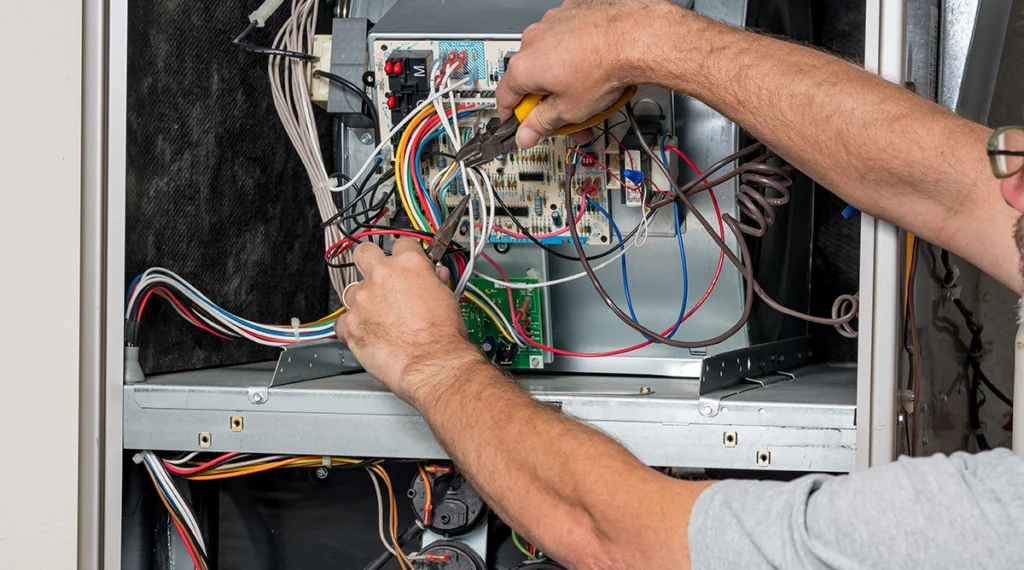
At Rocket Air Heating & Cooling, we treat cracked heat exchanger issues seriously because we know what’s at stake. Whether you need a professional inspection, a second opinion, or a complete system replacement, our certified technicians will walk you through your options with honesty and expertise. We use specialized cameras and testing equipment to locate cracks, verify CO levels, and keep your home safe.
We proudly serve homeowners throughout Modesto, CA and the surrounding areas with dependable HVAC repair, replacement, and maintenance solutions.
If you suspect a cracked heat exchanger, don’t wait—contact us today to schedule your heating repair and keep your home safe, efficient, and comfortable.
Frequently Asked Questions
Cracks usually form from metal fatigue caused by repeated heating and cooling cycles. Poor airflow, dirty filters, or an oversized furnace can make the problem worse over time.
No. Running a furnace with a cracked heat exchanger can leak dangerous gases into your living space. Shut it down immediately and call a licensed HVAC technician.
Most heat exchangers last 15–20 years with proper maintenance. Regular tune-ups from a professional HVAC company like Rocket Air Heating & Cooling can help extend that lifespan safely. What causes a cracked heat exchanger?
Can I keep using my furnace with a cracked heat exchanger?
How long does a heat exchanger last?
A cracked heat exchanger may sound intimidating—and it should—but it’s something you can handle with the right help. Whether you need testing, repair, or a full replacement, Rocket Air Heating & Cooling is here to help you make the safest, smartest decision for your home. If you think your system might have a problem, reach out to us today to schedule your inspection and keep your home safe, efficient, and comfortable.